Monthly eco news | September 1–30, 2026
What connects a meadow in Europe, the air we breathe, a coastal community, and a melting glacier?
Each appeared in September’s environmental news, and together they tell a larger story: protecting the environment is increasingly about protecting the systems we depend on every day from clean air and healthy ecosystems to water and safe places to live.
This month, ecoKallos looks at four developments worth understanding: Europe’s plans to restore nature, new evidence about the economic value of cleaner air, a global agreement on rising seas, and another difficult year for Alpine glaciers.
Europe moves from nature-restoration targets to national plans
September 1: EU Member States reached an important milestone in implementing Europe’s Nature Restoration Regulation by submitting draft national restoration plans to the European Commission.
The plans explain how countries will work toward restoration targets through 2030, while providing a longer-term view toward 2040 and 2050.
Restoration takes many forms: recovering wetlands, improving damaged forests and soils, restoring rivers, and helping urban ecosystems become healthier. These efforts matter not only for wildlife but also for communities, healthy ecosystems can improve water security and help manage drought, floods, heatwaves, and wildfires.
The Nature Restoration Regulation entered into force in 2024. September’s milestone moves the focus from setting promises to delivering results on the ground.
Read the European Commission announcement
For ecoKallos readers, it is a reminder that environmental protection does not always mean leaving nature untouched. Sometimes damaged ecosystems need active restoration and long-term commitment, to become resilient again.
Cleaner air could bring surprisingly large economic benefits
September 7: A new assessment from the UN Environment Programme (UNEP) and the Climate and Clean Air Coalition put a striking number on the benefits of tackling air pollution and climate change together.
According to the report, every US$1 invested in integrated climate and clean-air measures could generate around US$15 in economic benefits when health, productivity, avoided damage, and other factors are included.
The assessment examined 25 measures across sectors including energy, transportation, industry, agriculture, cooking, and waste. It also estimated that delaying action by a single year could mean losing more than US$1.5 trillion in potential annual benefits.
Why does this matter? Environmental action is often framed solely around upfront cost. This research offers another perspective: cleaner air can mean fewer illnesses, lower healthcare costs, greater productivity, and healthier communities.
While individual choices like conserving energy or reducing unnecessary driving can contribute, systemic shifts in public policy, industry, energy, and transportation infrastructure remain essential to improving air quality.
World leaders adopt a declaration on rising seas
September 24: At the United Nations in New York, world leaders adopted a Political Declaration addressing the growing threat of sea-level rise.
For low-lying countries and coastal communities, rising seas affect homes, freshwater supplies, infrastructure, cultural heritage, and the long-term habitability of entire regions.
The UN meeting focused on international cooperation and the particular risks facing small island developing states and low-lying coastal zones.
Read about the UN High-Level Meeting on Sea-Level Rise
Declarations alone do not stop rising waters. Their impact depends on the actions that follow: emissions reductions, adaptation funding, resilient infrastructure, and meaningful support for vulnerable communities.
For ecoKallos readers, protecting coastlines involves more than engineered defenses. Coastal wetlands, mangroves, dunes, and other natural systems can serve as important buffers and deserve protection alongside built infrastructure.
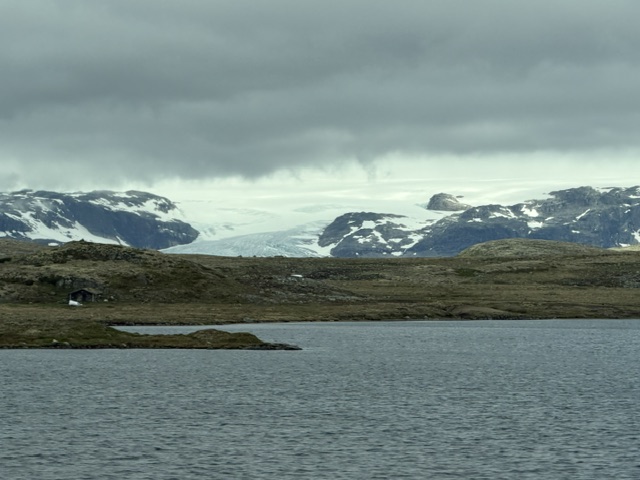
Swiss glaciers lose more than 5% of their ice in a single year
September 30: Scientists reported that Switzerland’s glaciers lost more than 5% of their ice volume during 2026, driven by low winter snowfall and exceptionally high summer temperatures.
According to the Swiss glacier monitoring network (GLAMOS), the loss was among the most severe recorded, bringing total glacier loss over the past five years to nearly 20%.
The consequences extend beyond altered Alpine landscapes. Glaciers act as freshwater reserves, releasing meltwater during warmer and drier periods. As they shrink, this natural water buffer declines.
Read Reuters’ September 30 report
It can be difficult to connect individual actions to something as enormous as melting glaciers. But that scale highlights why collective action matters. Climate stability depends on changes across energy, transportation, industry, and consumption alongside thoughtful choices in our own lives.
Looking Ahead
September’s stories span local ecosystems to global initiatives, but they share a central theme: environmental commitments need practical implementation to create meaningful change.
Restoration plans need action on the ground. Clean-air research needs implementation. International declarations need investment and follow-through. And rapid glacier loss reminds us why time matters.
At ecoKallos, our goal is to make these developments understandable, not overwhelming. By following what is changing, recognizing where progress is happening, and understanding where challenges remain, we can make more thoughtful choices while supporting the larger changes that individuals cannot accomplish alone.